
Structural Drying & Dehumidification
Structural Drying and Dehumidification Boulder CO that stops moisture damage cold
Structural Drying and Dehumidification Boulder CO is the process that pulls trapped moisture out of walls, floors, and crawlspaces before rot and mold take hold. If a pipe burst, a water heater let go, or flash flooding pushed into your basement, we run truck-mounted extraction and commercial dehumidifiers until your building tests dry. We serve homeowners, landlords, and property managers across Boulder County, and we answer the phone 24/7.
Service overview
What Structural Drying and Dehumidification Boulder CO actually involves
Structural Drying and Dehumidification Boulder CO is the controlled removal of moisture from building materials after water intrusion. It is not a fan pointed at a wet carpet. We map the migration path with a thermal imaging camera and moisture meter, then set low-grain refrigerant dehumidifiers and air movers to pull water out of subfloor sheathing, wall cavities, and ceiling assemblies. Drying follows the ANSI/IICRC S500 Standard for Professional Water Damage Restoration, which sets the humidity and temperature targets we document daily.
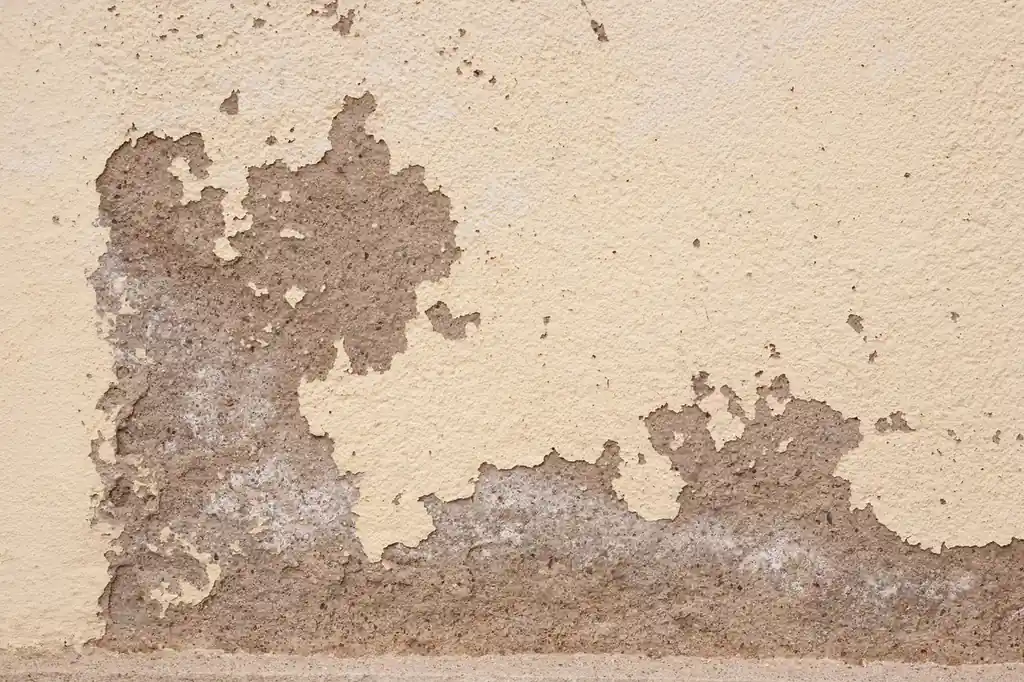
Most Boulder calls come from burst or frozen pipes, water heater leaks, and appliance supply line failures. Basement seepage and flash-flood intrusion follow our spring snowmelt and summer thunderstorms. Left alone, hidden moisture in wall cavities feeds secondary mold growth in 24 to 48 hours and warps hardwood flooring within a week. That is why we treat structural moisture control in Boulder as a timed job, not a wait-and-see situation. The sooner the dehumidifiers run, the less material you replace.
Practical benefits
Why Boulder property owners call us first
Water damage gets worse by the hour. Here is what you get when you put our drying equipment to work instead of waiting on a fan from the hardware store.
Drying that is measured, not guessed
We log moisture readings at every visit and compare them to the dry standard for each material. Hardwood flooring, subfloor sheathing, and drywall all have different targets. You get a written drying log that shows the numbers dropping day by day, which is exactly what your insurance adjuster wants to see.
Mold growth stopped early
Secondary mold growth can start in 24 to 48 hours in a warm, damp Boulder basement. We run HEPA air scrubbers alongside the dehumidifiers to capture airborne spores while the structure dries. If we find active growth, our IICRC AMRT and AMRS certified techs handle it under the ANSI/IICRC S520 Standard for Professional Mold Remediation.
Equipment sized for the job
A 1,200 square foot finished basement needs different firepower than a two-car garage. We bring truck-mounted water extraction units, portable water extractors, and submersible pumps for standing water, then match low-grain refrigerant or desiccant dehumidifiers to the cubic footage and material load. No undersized rentals, no three-week drying times.
Direct insurance documentation
We photograph affected materials, record moisture maps, and note daily readings so your claim moves without back-and-forth. Most Boulder policies cover sudden water damage from burst pipes and appliance failures. We work with your adjuster and can bill many carriers directly, so you are not fronting the full cost of a commercial drying job.
How service works
How our structural drying process runs
From the first phone call to the final moisture reading, here is what you can expect when we dry a Boulder building.
STEP 01
Emergency call and assessment
You call (720) 743-9371 and we ask what happened, where the water came from, and whether it is still flowing. We dispatch a crew, usually same-day. On arrival we shut off the source if it is still active, then walk the space with a thermal imaging camera and moisture meter to find water you cannot see.
Tools and methods
Equipment and methods we use to dry structures
Truck-mounted water extraction unit
Removes large volumes of standing water from carpet and hard floors fast. It is the first piece of equipment on site for most flooded Boulder basements and commercial spaces.
Low-grain refrigerant dehumidifier
Pulls moisture out of the air in standard residential drying jobs. We use Dri-Eaz and Phoenix Restoration Equipment units sized to the cubic footage of the affected space.
Desiccant dehumidifier
Handles low-temperature and low-humidity drying where refrigerant units are less effective, such as cold crawlspaces and unheated Boulder garages in winter.
Air mover
Creates high-velocity airflow across wet surfaces to speed evaporation. We use XPOWER and B-Air units positioned to sweep moisture off walls, floors, and subfloor sheathing.
Thermal imaging camera
Finds hidden moisture behind walls and under floors without tearing everything open. It shows temperature differences that reveal wet cavities and cold spots.
Moisture meter
Measures moisture content in drywall, wood, and concrete. We use it to set the dry standard for each material and to verify the structure is dry before we leave.
HEPA air scrubber
Filters airborne dust and mold spores during containment. It keeps the rest of your Boulder home clean while we dry and remove affected materials.
ANSI/IICRC S500 Standard for Professional Water Damage Restoration
This standard sets the drying targets, monitoring frequency, and documentation requirements we follow on every job. It is why we log moisture readings daily and do not declare a structure dry until the numbers match the dry standard for each material.
Psychrometric monitoring
We track temperature and relative humidity inside and outside the drying chamber to calculate how much moisture the air can hold. That tells us when to adjust airflow, add dehumidifiers, or open the containment to speed drying.
Containment and negative air
For contaminated water or mold work, we build polyethylene containment sheeting and run HEPA air scrubbers to create negative pressure. This keeps dust and spores from spreading into clean areas of your home while we work.
Antimicrobial disinfection
After extraction, we apply antimicrobial disinfectant to affected framing, subfloor sheathing, and concrete. This slows microbial growth during the drying period and is standard practice on every Category 2 or Category 3 water loss.
Where this service fits
When Boulder property owners call us
A water heater in a North Boulder basement fails overnight and floods the finished rec room.
We extract the standing water, pull the wet carpet and padding, and set air movers and a low-grain refrigerant dehumidifier. Containment keeps moisture out of the rest of the basement while we work. The rec room framing and concrete floor reach dry standard in four days. Only the carpet and padding need replacement, saving the homeowner the cost of new drywall and trim.
A frozen pipe bursts in a Mapleton Hill home during a January cold snap and soaks a wall cavity.
We use a thermal imaging camera to map the wet cavity, open the wall, and dry the framing with directed airflow. Because the home predates 1978, we follow EPA RRP lead-safe practices during demolition. The cavity dries in three days. One section of drywall is replaced instead of an entire wall, and the homeowner avoids mold growth in the insulation.
A Gunbarrel office building has a roof leak after a summer storm, wetting ceiling tiles and carpet in two rooms.
We extract the wet carpet, remove sagging ceiling tiles, and set commercial dehumidification equipment with air scrubbers to protect the occupied areas of the building. Work is staged around business hours. Both rooms are dry in three days. The building stays open the whole time, and the documented readings support the property manager's insurance claim.
A Martin Acres homeowner finds seepage in the basement after spring snowmelt.
We pump and extract the standing water, treat the concrete with antimicrobial disinfectant, and run dehumidifiers to pull moisture out of the block walls and floor. We also check the crawlspace for hidden moisture. The basement reaches dry standard in five days. The homeowner gets a report showing the drying curve, which helps when they file a claim for the damaged storage items.
Local execution
How structural drying runs in Boulder specifically
Boulder sits at the edge of the foothills, which means our water damage season runs year-round. January and February bring frozen pipe calls from cold snaps that hit older homes in Mapleton Hill and Whittier. April and May bring snowmelt seepage into basements and crawlspaces across Table Mesa and Martin Acres. July and August bring monsoon storms and flash flooding that push water into garages and lower levels in North Boulder and Gunbarrel. The building stock matters too. Pre-1978 homes often have plaster walls and original hardwood flooring that dry slower than modern drywall, so we extend drying times and monitor more carefully. We follow EPA RRP lead-safe practices when demolition is needed in those homes. For commercial dehumidification near me in Boulder, we stage equipment around business hours so restaurants and offices stay open. Every job is documented to the ANSI/IICRC S500 standard, and we serve ZIP codes 80301 through 80305 plus 80310.
Table Mesa
Ranch homes with crawlspaces that hold moisture after snowmelt. We check the crawlspace on every water job here, not just the visible room.
Mapleton Hill
Historic homes with plaster walls and original hardwood. Drying takes longer and EPA RRP lead-safe practices apply during any demolition.
Gunbarrel
A mix of residential and commercial buildings. We stage commercial drying equipment around business hours so tenants and employees are not disrupted.
Martin Acres
Mid-century homes with basements prone to seepage during spring snowmelt. Sump failures and block-wall moisture are common calls here.
North Boulder
Finished basements and newer construction with tight building envelopes. Water from appliance failures spreads fast under laminate and engineered flooring.
Freeze-thaw cycles from January through March
Pipes in exterior walls and unheated crawlspaces freeze and burst. We see a spike in emergency calls during cold snaps, and we keep crews on standby for 24/7 response.
Spring snowmelt and heavy rain in April and May
Groundwater rises and finds its way into basements and crawlspaces. Drying jobs in these months often involve block-wall moisture and require longer dehumidifier run times.
Summer monsoon storms in July and August
Flash flooding and roof leaks push water into homes fast. Contaminated flood water requires containment and antimicrobial treatment before drying can begin.
Older housing stock with plaster and hardwood
Plaster walls and hardwood flooring release moisture slowly, so we extend drying timelines and monitor more frequently to avoid trapping moisture behind surfaces.
Problems we solve
Water problems we solve for Boulder properties
Boulder's freeze-thaw cycles, spring snowmelt, and summer storms create a predictable list of water problems. Here are the ones we see most and how structural drying and moisture control resolves them.
Burst or frozen pipes inside walls
We locate the wet cavity with a thermal imaging camera, open the wall minimally, and dry the framing and insulation in place where possible. Air movers and a low-grain refrigerant dehumidifier pull moisture out, and we verify with a moisture meter before closing anything up. Water runs down inside the wall cavity, soaking insulation and framing where you cannot see it. By the time a stain shows on the drywall, the cavity has been wet for days and mold may already be growing.
Wet carpet and padding after a leak
We extract the carpet, pull saturated padding, and dry the subfloor with air movers and dehumidifiers. If the carpet can be saved, we dry it in place and re-stretch it. If not, we document it for replacement and dry the structure underneath. Carpet padding acts like a sponge and holds water against the subfloor. If it stays wet more than 48 hours, the subfloor sheathing starts to swell and delaminate, and the carpet itself may need full replacement.
Warped hardwood flooring
We start drying hardwood within the first 24 hours using controlled airflow and dehumidification. Some cupping can be reversed if we catch it early. When boards are too far gone, we document the damage and dry the subfloor so new flooring can go down on a stable base. Hardwood cups and crowns as it absorbs water, and boards can buckle at the seams. Waiting a week to start drying usually means the floor has to come out, which is a much bigger repair than most homeowners expect.
Hidden moisture in crawlspaces and wall cavities
We use thermal imaging and moisture meters to find hidden moisture, then place dehumidifiers and air movers to dry those spaces directly. We monitor readings daily until the cavity meets its dry standard, then document the result for your records. Crawlspaces and wall cavities stay humid long after visible surfaces feel dry. That trapped moisture feeds structural rot and secondary mold growth, and it can go unnoticed for months until a musty smell or soft spot appears.
A practical standard for every visit.
Clear planningPrepared arrivalsCareful workLocal follow-through
Experience in the details
Certified drying technicians, not general handymen
Boulder Water Pros has been drying structures in Boulder County since 2016. Our technicians hold IICRC Water Damage Restoration Technician (WRT) and Applied Structural Drying (ASD) certifications, which cover psychrometry, moisture mapping, and equipment placement. Several carry Applied Microbial Remediation Technician (AMRT) and Applied Microbial Remediation Specialist (AMRS) credentials for mold work. We also hold EPA Lead Renovation, Repair and Painting (RRP) certification for pre-1978 housing common in Mapleton Hill and Whittier, plus OSHA 10-Hour and 30-Hour Construction Safety training. Every job is documented to the ANSI/IICRC S500 standard.
Where we work
One local team. A lot of ground covered.
Table MesaMartin AcresNorth BoulderGunbarrelNewlandsWhittierFrasier MeadowsWonderland HillsDevil's ThumbMapleton Hill
Check my address Boulder Water Pros provides structural drying and dehumidification in Boulder, CO. We have operated locally since 2016 and run IICRC WRT and ASD certified technicians on every job. We handle residential water damage drying in Boulder, Colorado and commercial losses, from a single wet bedroom to a flooded retail space. Call (720) 743-9371 and we will dispatch a crew, usually same-day.
Most Boulder homes reach dry standard in three to five days. A small bathroom with a supply line leak may dry in 48 to 72 hours. A finished basement with wet carpet, padding, and subfloor sheathing usually runs four to five days. Hardwood flooring and dense plaster walls can take longer. We monitor daily and do not stop until moisture readings match the dry standard for each material.
We use truck-mounted water extraction units and portable water extractors for standing water, then air movers and low-grain refrigerant dehumidifiers or desiccant dehumidifiers for the drying phase. HEPA air scrubbers run during containment to capture airborne spores. We verify progress with moisture meters, thermal imaging cameras, and infrared thermometers. Brands include Dri-Eaz, Phoenix Restoration Equipment, XPOWER, and Injectidry.
Typical 2026 pricing for professional dehumidification Boulder runs $1,200 to $3,500 for a residential job, depending on square footage, how many days the equipment runs, and whether containment is needed. Commercial dehumidification near me in Boulder for larger buildings can run higher. Most insurance policies cover sudden water damage, and we document everything so your adjuster can process the claim.
Keep exploring
Related Services
Your next step is waiting
Get Structural Drying and Dehumidification Boulder CO started now
Every hour of delay lets moisture spread deeper into your walls and subfloor. Call (720) 743-9371 and a Boulder-based crew will assess the damage, set drying equipment, and start pulling moisture out today. We are licensed, insured, and available 24/7.
Start with the basics
Call Boulder Water Pros
We answer the phone 24/7, including holidays, and dispatch from central Boulder. Most calls inside the city get a technician on site within an hour. Call (720) 743-9371 or email info@boulderwaterpros.com and tell us what is wet.